Your Feed Is Your Audition: How Casting Directors Read Your Digital Life Before You Walk In
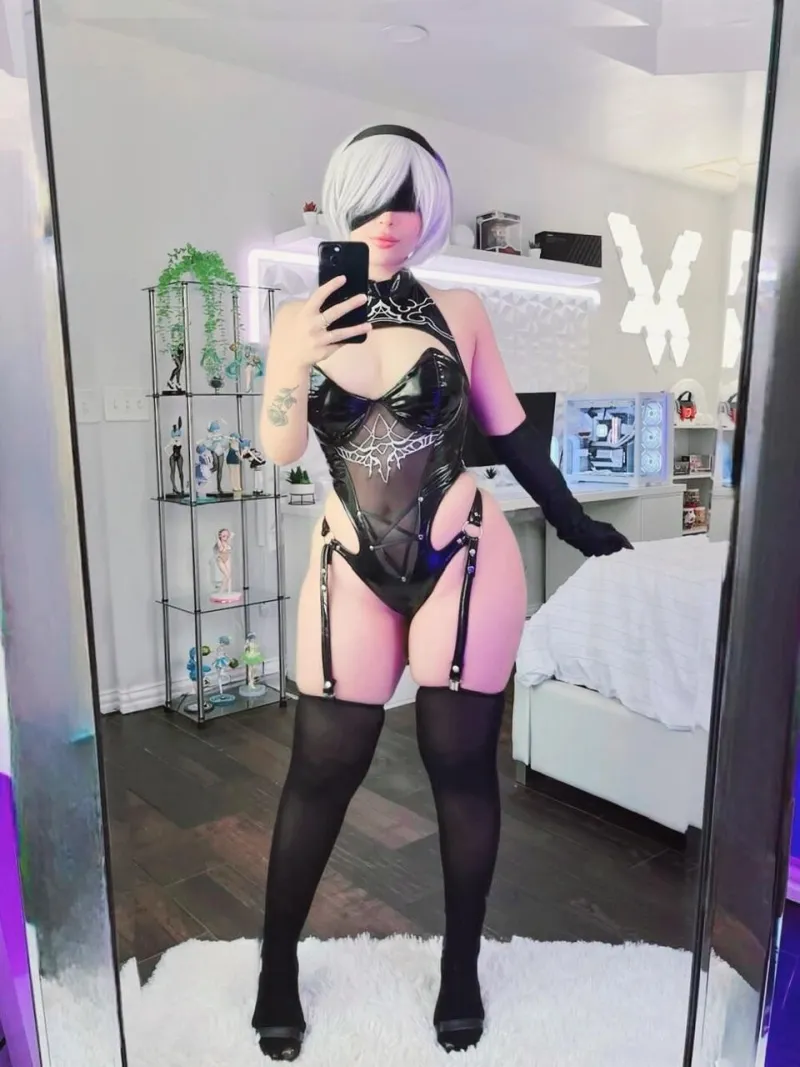
Photo: SelfiePhotographyAgency, CC0, via Wikimedia Commons
There's a moment every talent coordinator knows well. A fresh face sends in their portfolio — gorgeous shots, killer smile, the whole package. Then the coordinator opens Instagram, and within four minutes the decision is already made. Not because of a bad photo. Because of something else entirely.
Welcome to casting in 2025, where your digital footprint does the auditioning long before you do.
The Pre-Scroll Is the Real Interview
"I probably spend more time on a model's socials than on her portfolio," says one Los Angeles-based booking coordinator we'll call Dana, who's placed talent for a decade. "The portfolio tells me she can pose. The feed tells me if I can actually work with her."
What are they looking for? Less mystery than you'd think. Consistency is the big one — a feed with a recognizable look, whether that's retro glam, sun-soaked West Coast casual, or moody studio work, signals that you understand yourself as a brand. Editors aren't expecting polish everywhere; they're expecting intention. A chaotic mix of reposted memes, blurry club pics, and the occasional stunning portrait reads as unfocused. A curated grid with a clear point of view reads as a professional.
Engagement matters too, but not the way newcomers assume. Coordinators aren't counting followers — they're reading comments. Are people asking when your next post drops? Are you answering them? A model with 8,000 followers and a genuinely engaged comment section often books faster than one with 80,000 ghost followers and a dead comment field.
The Red Flags That Sink Careers
Then there's the other side of the ledger. Composite stories from working coordinators paint a consistent picture of what gets an application quietly deleted:
The drama archaeologist. One coordinator described a promising applicant whose feed was 40% callout posts and subtweet wars with former collaborators. "If she litigates her friendships publicly, she'll litigate our shoots publicly. Hard pass."
The brand conflict landmine. A model signed to an energy drink partnership can't appear in a whiskey campaign. A talent with an exclusivity clause on a subscription platform may be contractually unable to shoot certain content at all. Coordinators scroll specifically to spot these conflicts — and they check whether you've disclosed them. Hiding a conflict is worse than having one.
The disappearing act. Handles that get renamed every few months, feeds wiped clean, or a suspicious gap where content used to be raise questions coordinators don't love asking. If your history is a mystery, the assumption tends to run against you.
The AI question. Increasingly, coordinators are running reverse image checks and looking for the tell-tale smoothness of AI-enhanced or fully generated portfolio shots. "If I can't trust the portfolio," Dana shrugs, "there's nothing to talk about."
What Actually Helps
The good news: the winning formula is mostly common sense executed consistently.
- A clean, current link hub. One place listing your representation, rates inquiries, and content categories tells coordinators you run your career like a business.
- Behind-the-scenes content. Clips from real shoots — lighting setups, wardrobe rails, the unglamorous in-between moments — prove you have actual set experience and behave like a pro on one.
- Professional conduct in the comments. How you handle the inevitable creepy or hostile replies is a live test. Witty and composed wins. Meltdowns don't.
- Cross-platform coherence. If your TikTok persona, your Instagram grid, and your subscription platform all tell the same story, you look like someone who's built to last, not someone chasing a trend.
One veteran coordinator put it plainly: "The girls who make it treat their feed like a lobby. It's the first room everyone walks through. You don't leave laundry on the floor of your lobby."
The Bottom Line
Nobody's saying you can't have a life online — post the beach trip, the bad joke, the dog. Casting teams are human. What they're actually hunting for is evidence that you're reliable, self-aware, and easy to build a shoot around. The centerfold business has always been about presentation. These days, the presentation starts before the clothes come off — it starts with your very first post.
Audit yourself the way a coordinator would. Google your handle. Scroll your own grid with fresh eyes. Ask what story it tells. Because by the time you get the callback, that story has already been read.