Motel Neon and Chrome Curves: The Open Road's Secret Role in Pin-Up History
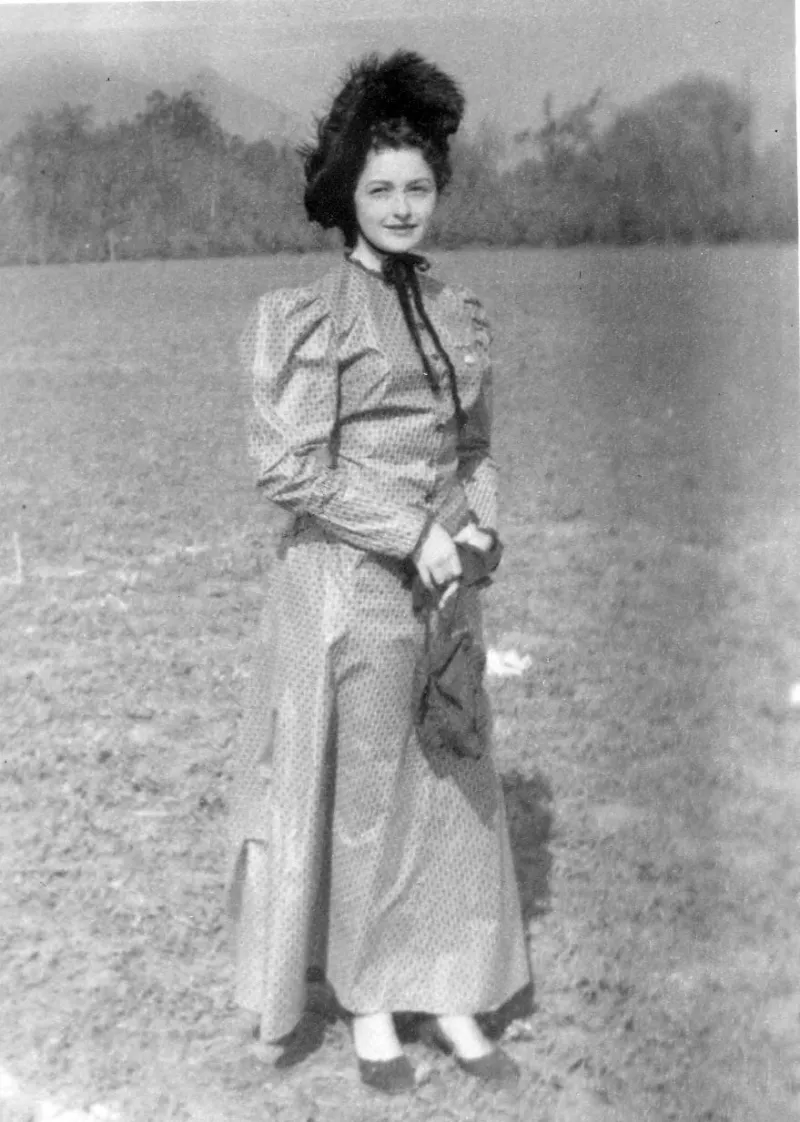
Photo: , Public domain, via Wikimedia Commons
There's a particular kind of magic in an old roadside photograph. A model in a red gingham dress perched on the fender of a '57 Bel Air, neon from a motel sign buzzing pink against the dusk, a milkshake sweating on the hood. It looks effortless. It wasn't. That image — and thousands like it — was the product of a uniquely American love affair with the highway, and it quietly rewrote the rules of glamour photography along the way.
When the Highway Became a Studio
In the years after World War II, America hit the road in a big way. The Federal Aid Highway Act of 1956 turned two-lane routes like the Mother Road into national arteries, and suddenly every town between Chicago and Santa Monica was competing for the attention of passing motorists. That competition produced a visual arms race: towering roadside signs, giant mascots, painted murals, and motel marquees that glowed like Vegas outposts in the desert.
For photographers, it was a gift. The road offered backdrops no indoor studio could match — chrome grilles, neon glow, wide-open skies, and that unmistakable sense of motion even in a still frame. While East Coast shooters were working with seamless paper and hot lights, roadside photographers were shooting at golden hour against a wall of turquoise stucco, and the results felt alive in a way that studio work often didn't.
The Gas Station Girl
Every service station worth its salt had a mural or a painted sign, and many commissioned local artists to add a bit of allure to the pump island. The 'gas station girl' — winking down from a wall, hosing down a coupe in painted form — became a roadside fixture. She was advertising, sure, but she was also a pin-up in her own right, a public-facing cousin of the magazine girls millions of GIs had taped to their footlockers.
That crossover mattered. Men who'd grown up with Vargas and Petty illustrations in their pockets were now driving across the country, and the roadside imagery they encountered echoed the pin-ups they already loved. The road taught America to read glamour in a new setting: not the boudoir, but the blacktop.
Motor Courts and Makeshift Sets
The humble motor court — the precursor to the modern motel — deserves special mention. Those L-shaped buildings with doors facing the parking lot were practically purpose-built photo sets. A photographer could rent a room, hang a bedsheet as a backdrop, and shoot a model leaning against a '57 Thunderbird in the parking lot before the ice machine even rattled.
The economics worked, too. Roadside studios popped up in tourist towns, offering vacationing couples and aspiring models alike a chance at a glamour portrait. Some of those small-town shooters developed serious chops, and a handful of the era's most charming centerfold-adjacent images came not from Manhattan but from a strip of asphalt in Arizona or a diner parking lot in Tucumcari.
The Car as Co-Star
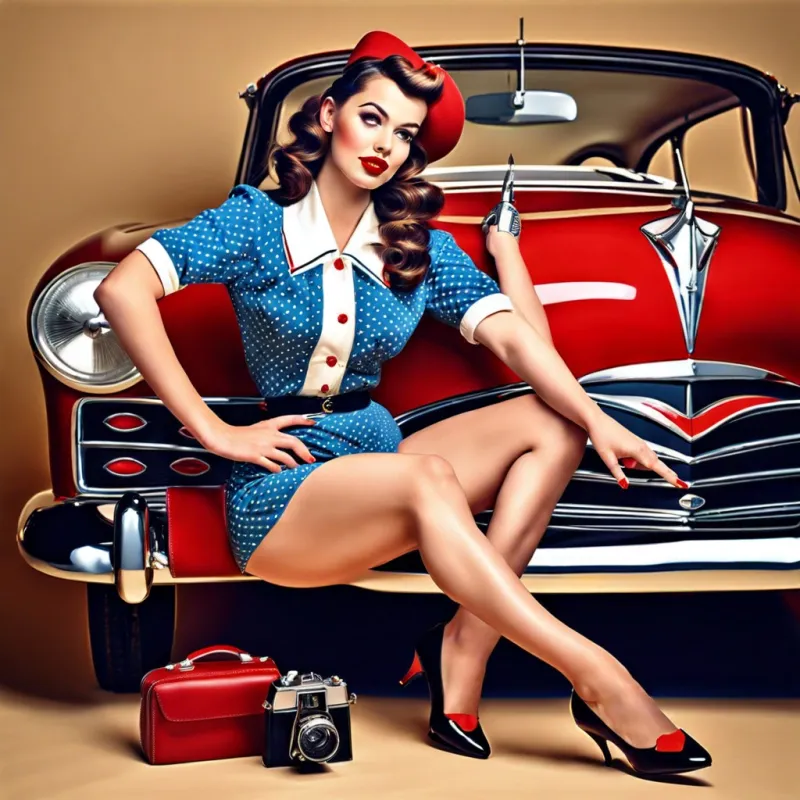
Let's be honest: half the appeal of a roadside pin-up shot is the car. Tailfins, whitewalls, two-tone paint jobs — the automobiles of the highway era were practically designed to be photographed with a beautiful woman draped across them. The car signaled freedom, speed, and a little bit of danger, and pairing that with classic glamour created a visual shorthand that still works today.
It's why every vintage-themed shoot we produce at My Centerfolds eventually circles back to the road. Put a model in a halter top next to a candy-apple hot rod and you're not just borrowing an aesthetic — you're tapping into a century of American fantasy about escape and possibility.
Why the Road Still Runs Through Modern Glamour
Scroll through contemporary glamour photography and the fingerprints are everywhere: sunset-lit desert shoots, neon motel signs, denim cutoffs and diner booths. The road trip shoot is practically its own genre now, and it exists because those mid-century photographers figured out something important — glamour doesn't need four walls. Sometimes all it takes is a tank of gas, a good hat, and a stretch of empty highway at dusk.
Next time you pass a weathered motel sign or a restored service station, take a second look. You're not just seeing roadside kitsch. You're looking at one of the backlots of American pin-up history — and honestly, it still photographs beautifully.