Postage Due: The Paper Mailers That Built Pin-Up Fandom—and the Archivists Racing to Save Them
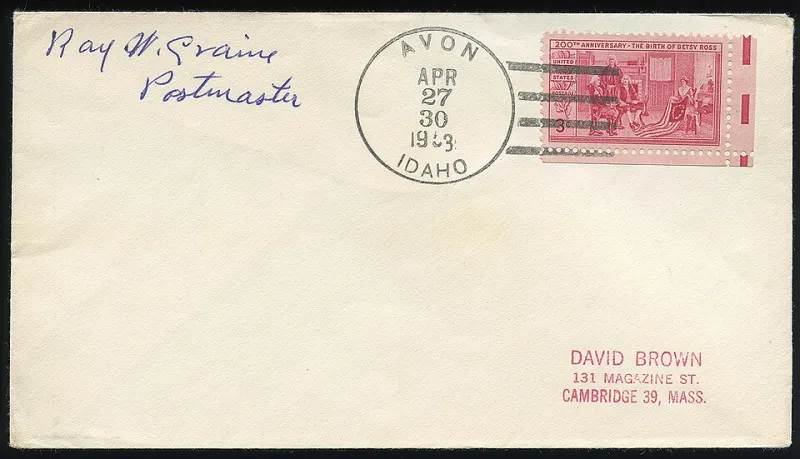
Photo: Steve Shook from Moscow, Idaho, USA, CC BY 2.0, via Wikimedia Commons
The first thing you notice is the postmark. It is faded, maybe smudged, but it is there—a date and a city that place the envelope in a specific week of a specific year. Inside might be a promo postcard, a signed 8x10, a mimeographed order sheet, or a fan club notice. To a casual estate-sale shopper, it looks like paper clutter. To an archivist, it is a conversation that happened at the speed of the U.S. Postal Service.
Before email, before websites, before direct messages, the pin-up business ran on mail. Models, photographers, and studios built fan relationships through envelopes. The glossy magazine was the product. The mailer was the handshake.
A Fanbase Built at the Mailbox
In the 1940s, 1950s, and 1960s, a fan who wanted more than the newsstand could send away for it. Studios advertised photo sets, model cards, and newsletters. Models included their addresses or care-of lines. Photographers sold prints by mail. The most enterprising operations kept mailing lists and sent seasonal flyers.
The mailer did something the magazine could not. It felt personal. A hand-addressed envelope with a real stamp suggested that someone had pulled your name from a list and taken the time. A note on the back of a postcard—even a printed one—made the fan feel like a correspondent rather than a customer.
'These pieces were the social media of their day,' says Ellis, a paper collector in Ohio who has been assembling pin-up ephemera for two decades. 'A postcard was a post. A newsletter was a feed. The difference is that you could hold it, and it could survive in a shoebox for seventy years.'
The Anatomy of a Good Mailer
Not all paper is equal. The pieces archivists want most are the ones that carry context: the original envelope, the postmark, the mailing label, the handwritten address, the order form, the return address of a studio that no longer exists.
The image matters, but the paper trail matters more. A pristine postcard is nice. A postcard still in its original envelope, postmarked 1953, with a penciled note from the photographer, is a small historical document. It tells you who was selling, who was buying, and how the transaction felt.
Condition still counts. Creases, foxing, and water stains reduce value. But archivists often prefer a worn piece with a story over a mint piece with no provenance. The goal is not a museum of flawless paper. The goal is a record of a working culture.
Why Ephemera Outlives the Glossy
Magazines were meant to be kept, at least for a while. Mailers were meant to be read and tossed. That is exactly why they are scarce. The survival rate is low, and the survival rate for complete sets—card, envelope, insert, order form—is lower still.
That scarcity gives mailers a storytelling advantage. A centerfold spread shows you the finished fantasy. A mailer shows you the machinery behind it: the stamp budget, the mailing list, the handwritten correction, the fan who saved the envelope because it felt like a letter.
'You can learn more from a crumpled order sheet than from a perfect cover,' Ellis says. 'The cover tells you what the publisher wanted you to see. The order sheet tells you what people actually bought.'
Hunting in 2026
Mailers still turn up, but you have to look in the right places. Estate sales remain the best source, especially in towns with a history of small studios. Paper shows, flea markets, and online auctions can produce surprises. Family collections are often the richest, because the original recipient kept everything.
Collectors should handle paper with clean, dry hands and store it in acid-free sleeves. Do not laminate. Do not tape. Do not leave it in a hot garage. Scan at 600 dpi for your records, but keep the physical piece. The texture, the stamp, and the postmark are part of the object.
Reproductions exist, so learn the difference between a modern reprint and period paper. Look at the paper stock, the printing method, the postmark, and the wear. A too-perfect surface is often a warning.
The Relationship in the Envelope
The mailer was never just advertising. It was a way of saying: you are on the list. In 2026, that phrase has become a marketing cliché. In the mid-century pin-up world, it was literal. Someone kept your name and address and sent you something.
That intimacy is what archivists are trying to preserve. Not nostalgia for a lost business model, but evidence of a relationship that moved at the speed of stamps. The paper is fragile. The story is not.