Sashes, Stockings, and State Fair Season: Chasing the Pin-Up Queens of Middle America
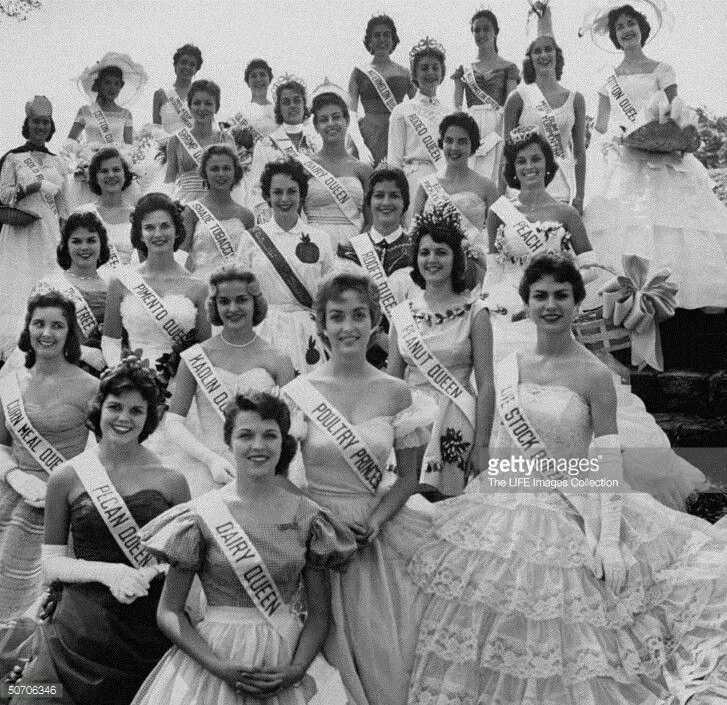
Photo: vintage pin-up pageant contestants county fair stage dresses sash, via i.pinimg.com
The announcer at the Putnam County Fair in Ohio leaned into the mic, paused for effect, and delivered the line like he'd been waiting all year for it: "Gentlemen, start your cameras."
Then out walked fourteen contestants in seamed stockings and victory rolls, and the crowd of roughly nine hundred farmers, grandparents, and teenagers went absolutely berserk.
Welcome to pin-up pageant season — the part of summer nobody on either coast knows about.
The Sash Economy
There's no national governing body. No TV deal. No sponsor logos on the fence. And yet, by our count, more than sixty county fairs and regional festivals across the Midwest and South still award some flavor of vintage glamour title between Memorial Day and Labor Day. Miss Vintage Heartland. Miss Route 66 Revival. Queen of the Delta Hoedown. The names change; the red lipstick doesn't.
We spent three weeks on the road talking to the people who make it happen, and the short version is this: it's not nostalgia for nostalgia's sake. It's community theater with hairspray.
Three Organizers, Three Reasons
Darlene Hobbs, 68, runs the pageant at the Scott County Fair in Indiana. She won the very first one in 1979 and never really gave the sash back. "People assume it's about the dresses," she told us, waving from a folding chair beside the show barn. "Honey, it's about the twelve weeks of practice before. These girls learn to walk, to speak, to hold a room. That's a skill. My mother called it poise and I'm calling it that too."
Darlene's pageant caps contestants at 35 and requires a talent portion performed in period-appropriate style. Last year's winner yodeled. The crowd demanded an encore.
Marcus Whitfield, 41, is the fair board president in Limestone County, Alabama. He brought the vintage glamour category back in 2018 after a fifteen-year gap. "We lost it because people thought it was old-fashioned," he says. "Then we lost the tractor pull to the county next over, and I figured if we're competing for crowds, let's compete on charm. We had forty applicants the first year. We've doubled since."
Marcus's rule: no entry fee, ever. The dresses come from estate sales and church rummage racks, and a retired seamstress named Miss Carol does alterations for free in the weeks leading up to the show.
Jo Ellen Ruiz, 29, organizes the Route 66 Revival Queen contest in western Oklahoma. She's the youngest organizer we met and the reason the contestant pipeline looks the way it does. "I found pin-up through Instagram, like everybody my age," she laughs. "But the fair is where it gets real. Online, it's a filter. Out here, it's a spotlight and a live audience and your grandma in the third row."
Meet the Reigning Queen
Kayleigh Tanner, 24, won the Putnam County crown last August in a 1950s-style swing dress she bought for eleven dollars and re-hemmed herself. She works at a credit union in Dayton. She does not model professionally and has no plans to.
"People ask if I want to go to LA or whatever," she told us, still in full glam two hours after her win, eating a funnel cake with the composure of someone who has practiced eating funnel cake in lipstick. "But that's not the point. The point is that for one night, this whole fairground agreed that this — the gloves, the hair, the whole thing — was the most beautiful version of glamour they'd ever seen. You can't get that on a phone screen."
Kayleigh's prize: a sash, a $500 scholarship, and the obligation to open this year's demolition derby. She's thinking about the derby more than the scholarship.
Why the Kids Are Signing Up
Here's the part that surprised us: contestant numbers are climbing, and fast. Organizers across four states reported record applicant pools for 2025, with the biggest growth among women under 25.
The explanation we heard most often? Control. These pageants reward styling, wit, and stage presence rather than swimwear measurements. The vintage format — talent, interview, poise — gives contestants a performance to master instead of a body to shrink. Several organizers said they've quietly removed any figure requirements entirely; Darlene's Indiana pageant hasn't had one since 1994.
There's also the retro revival running through everything right now — the swing dance classes, the rockabilly weekends, the thrifted slips in every college town in Ohio. The fair pageant is just where that aesthetic gets a stage and a crowd.
Far From Hollywood, Close to the Real Thing
The centerspread machines of mid-century America borrowed their look from ordinary women — the girl at the diner counter, the neighbor on the porch. These county fair pageants close the loop. Nobody here is trying to be discovered. They're trying to be excellent at something local, for one night, in front of people who know their last names.
And honestly? That's the most all-American version of glamour we've seen all year.
If you're anywhere near a fairground this summer, go find the pageant schedule. Bring a lawn chair. Applaud the yodeler.
You'll understand why the tradition refuses to die.