Waitresses, Wigs, and Wire Transfers: Inside the New Pin-Up Money Machine
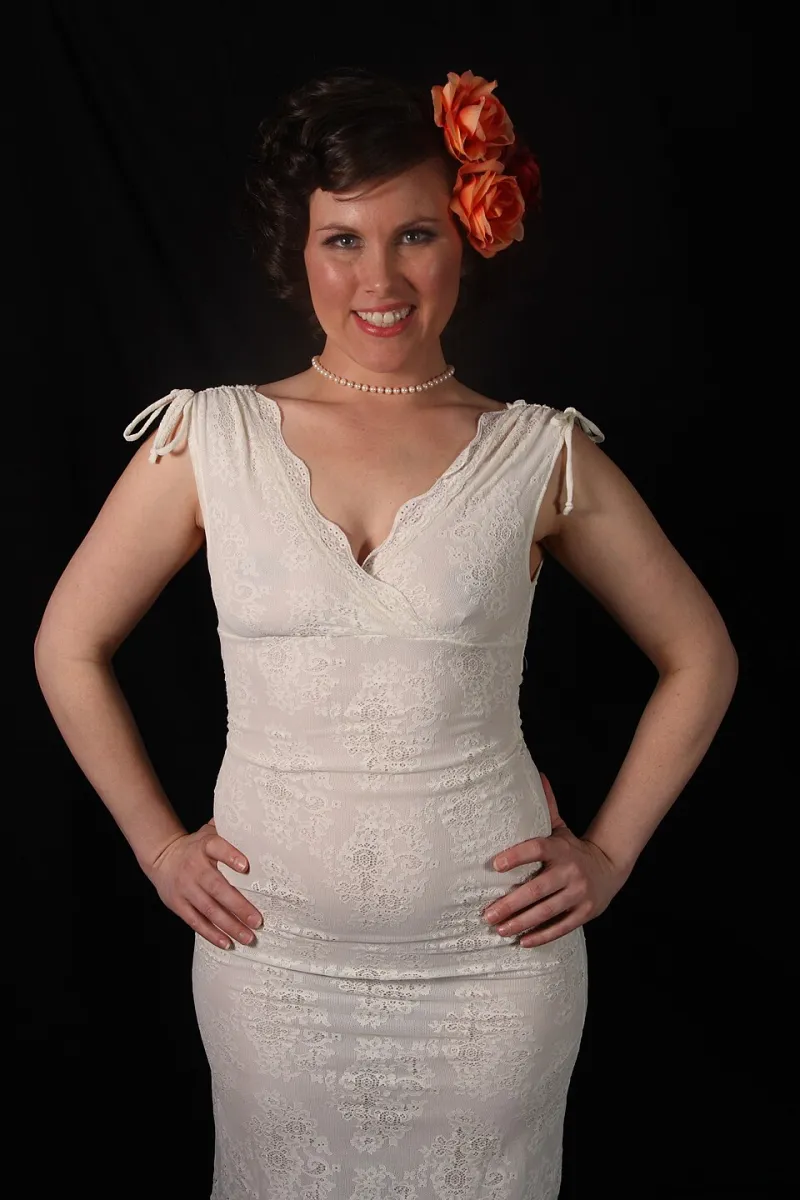
Photo: Frank Kovalchek from USA, CC BY 2.0, via Wikimedia Commons
The Girl on the Drugstore Rack Went Digital
There was a time when the only way a glamour model made money was somebody else's checkbook. A magazine cut the check, kept the negatives, owned the name, and moved on to the next fresh face. The model got a cover, maybe a residual if she was lucky, and a clipping for her scrapbook.
That economy is dead. What replaced it looks, at first glance, a lot like the old one — satin gloves, victory rolls, a wink at the camera — except the woman in the photo also owns the camera, the mailing list, the merch table, and the margins.
We spent the better part of this year talking to three working models who've each built something their 1950s counterparts couldn't have dreamed of: a real business, on their own terms, with real revenue. Their combined lesson is simple. The pin-up never went out of style. The distribution just changed.
From Diner Shifts to Calendar Queen
Darcy Mae Kowalski waitressed the breakfast shift at a truck stop outside Wichita for nine years. Regulars called her Smiley. One of them, a retired photographer with a soft spot for the old Vargas girls, talked her into a test shoot in his garage studio. She figured it'd be a fun afternoon.
Three years later, Darcy Mae's retro wall calendars outsell most of the merch at the county fairs where she sets up a booth every summer. She's not a household name. She doesn't need to be. Her list is 11,000 people deep, they buy a $35 calendar every December, they subscribe to her monthly photo drops at eight bucks a month, and she personally signs every order.
"The truck stop taught me everything," she told us over pie. "You learn who your regulars are. You take care of 'em. That's the whole business."
Her overhead is a photographer's day rate, a costume budget she keeps under a hundred bucks a shoot by thrifting, and a print shop in Topeka. Her revenue last year cleared the low six figures. The waitress who trained her makes less managing the place.
The Cosplay Pin-Up Who Licensed Her Look
In Phoenix, Roxie Delgado took a different road. She came up through the convention circuit, cosplaying retro-futuristic characters — think space-age flight suits, atomic-age robot dancing, dieselpunk bomber jackets with the sleeves rolled just so. Her Instagram was a portfolio before she realized it was also an inventory.
The turning point came when a pin-up clothing label approached her about licensing. Not a sponsorship — a license. Roxie's signature look, the red bandana and the pilot goggles, became a capsule collection. She gets a cut of every piece sold, plus a flat fee for shoots wearing it.
"I used to think my look was a gimmick," she says. "Turns out it's intellectual property."
Between the licensing deal, paid appearances at car shows from Vegas to Detroit, and a fan subscription that funds her custom shoots, Roxie's calendar year looks a lot like a mid-level corporate salary — except she reports to nobody and works in a garage studio painted bubblegum pink.
Forty-Six and Just Getting Started
The comeback story belongs to Jeanette "Jett" Holloway, who posed for a regional magazine at 24, walked away to raise a family, and returned at 45 after her daughter found her old contact sheet and put it on the fridge.
"I figured the phone would've moved on without me," Jett laughs. "Turns out the audience aged up with me. There's a whole crowd of guys my age who want glamour that looks like the stuff they remember — and there's a crowd of younger folks who think a 46-year-old woman owning it is the coolest thing they've seen all year."
Jett's angle is confidence as content. Her shoots lean classic — peignoir, chaise lounge, soft window light — and her subscriber base skews older, loyal, and generous. Her annual "Silver Fox" limited print run sells out in under an hour.
The New Ledger
Stack the three stories side by side and a pattern emerges. Nobody in this economy is getting rich off one big break. They're getting rich off a hundred small ones: subscriptions, signed prints, calendars, licensing, appearance fees, thrifted wardrobe flipped into signature looks.
The old gatekeepers are gone. The drugstore rack is a website. And the girl on the cover? She's the publisher now — and business, as Darcy Mae would say, is smiling.