Two Names on the Door: The Married Couples Who Shot America's Sweetheart Era
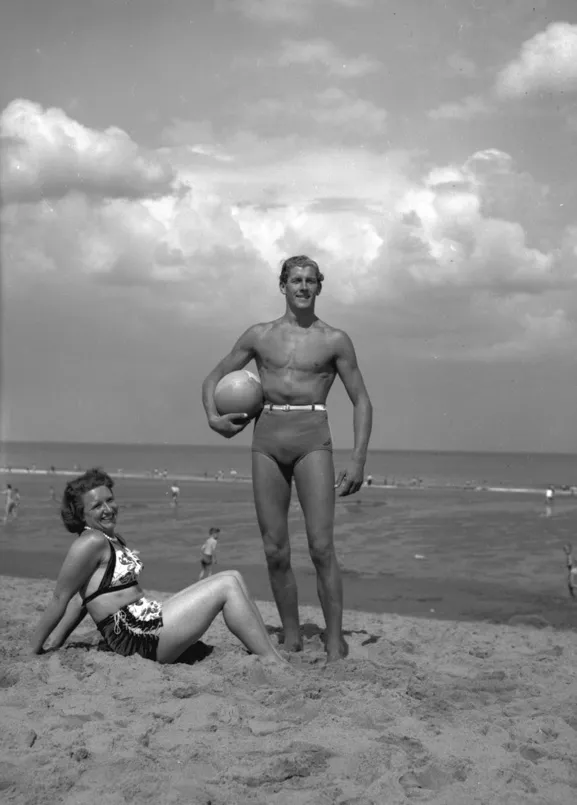
Photo: Tyne & Wear Archives & Museums, No restrictions, via Wikimedia Commons
Ask most fans to name the photographer behind a classic 1950s centerfold and you'll usually get one name. Maybe two, if you're talking to somebody who really knows their stuff. But here's the thing: a lot of those single names were actually two-person operations, and the second person was often a wife whose contributions never made the credit line.
The history of American glamour photography isn't just a story about men with cameras. It's a story about marriages — partnerships where the studio was the kitchen table, the darkroom doubled as the laundry room, and the difference between a good negative and a great one sometimes came down to whether the couple was getting along that week.
The Studio Was the House
Walk through the surviving archives of the era and a pattern emerges fast. Couples didn't rent office space. They converted garages in the San Fernando Valley, spare bedrooms in Queens, basements in Chicago bungalows. Sheet metal and shower curtains became reflectors. The kids' playroom got repurposed as a set every afternoon and back again by dinner.
That domestic setting mattered more than most people realize. Models arriving at a home studio weren't walking onto a cold, impersonal soundstage — they were walking into somebody's living room. The best of these husband-and-wife operations understood that comfort was the product. A nervous girl from Ohio who felt like a guest instead of a subject gave you a completely different photograph.
And the division of labor was often remarkably modern. He might handle the camera and the client meetings; she ran the styling, the booking, the retouching, the books. Or the reverse. Plenty of surviving correspondence shows wives doing the actual creative direction — hand-drawn pose sketches, notes on wardrobe, sharp critiques of their husbands' contact sheets scrawled in the margins.
The Darkroom Marriage
There's a reason the phrase "we work well together" shows up so often in interviews with these couples. Darkroom work is slow, technical, and unforgiving, and doing it with your spouse at eleven at night requires a relationship with real slack in it.
Daughters and sons who've inherited these archives tell remarkably similar stories. Mom mixed the chemistry and timed the prints because her hands were steadier. Dad shot because he could charm a nervous model out of her nerves in about ninety seconds. Neither could have built the business alone, and both knew it — even when the industry only ever printed one name.
That erasure is part of what makes these archives so valuable now. Estate hunters flipping through old magazine boxes are increasingly finding the real paper trail: invoices signed by both spouses, business letterhead with two names, holiday cards from models addressed to the whole family. The paper doesn't lie, even when the mastheads did.
What the Couples Built Into the Pictures
Here's the argument worth making: the look and feel of classic American pin-up photography — that warm, approachable, girl-next-door quality we keep chasing — is partly a byproduct of married-couple production.
A solo male photographer in that era was working within a certain dynamic, and it shows in the frame. But when the person directing the pose was another woman — often the photographer's wife, someone the model had already had coffee with — the camera picked up a different kind of ease. Less performance, more personality. A wink instead of a stare.
Look closely at the most beloved centerfolds of the period and you'll often find this signature: the model looks like she's in on a joke. That's not an accident of lighting. That's what happens when the set feels like a kitchen, not a stage.
We Asked Today's Duos What's Different
Modern husband-and-wife shooting teams — and there are more of them than you'd think, working the retro-glamour and rockabilly circuits from Nashville to Portland — say the core dynamics haven't changed much. One of them still tends to be the talker, the other the technical brain. They still argue about lighting over dinner.
What has changed, they'll tell you, is the credit. A 2025 shooting duo posts under a joint brand, splits the Instagram, and gets tagged by name. The wives of the golden age are finally getting their names back through family archives, museum retrospectives, and collectors who care enough to dig. It took seventy years, but the second name on the door is finally legible.
Why It Still Matters
There's a lesson in all of this for anyone making glamour content today. The images that lasted weren't just technically sharp — they were made inside real relationships, with trust baked in before the shutter ever clicked. Whether you're shooting on a phone or a Hasselblad, that part of the formula hasn't moved an inch.
The golden age of glamour wasn't built by lone wolves. It was built by couples who shared a darkroom, a mortgage, and a vision — and who, mostly, made it look easy.