Curlers, Lacquer, and a Hot Iron: The Neighborhood Salons Behind America's Greatest Centerfolds
Photo: Joe Haupt from USA, CC BY-SA 2.0, via Wikimedia Commons
Every legendary centerfold photograph has a cast of thousands you never see. The photographer gets the credit. The magazine cover gets the frame. But somewhere behind that flawless cascade of pin curls and that gravity-defying roll sat a woman named Dolores with hot rollers, a rattail comb, and a can of hair spray strong enough to survive a Kansas thunderstorm.
The centerfold look wasn't born on a studio soundstage in Los Angeles. It was built, curl by curl, in neighborhood beauty parlors from Dayton to Des Moines — and in 2025, it's making one heck of a comeback.
The Parlor Was the Laboratory
Picture the mid-century American salon: linoleum floors, ashtrays on every armrest, a stack of movie magazines by the front window. This was where working-class women got their weekly wash and set, and it was also where the visual language of glamour got road-tested on real people before it ever reached a glossy page.
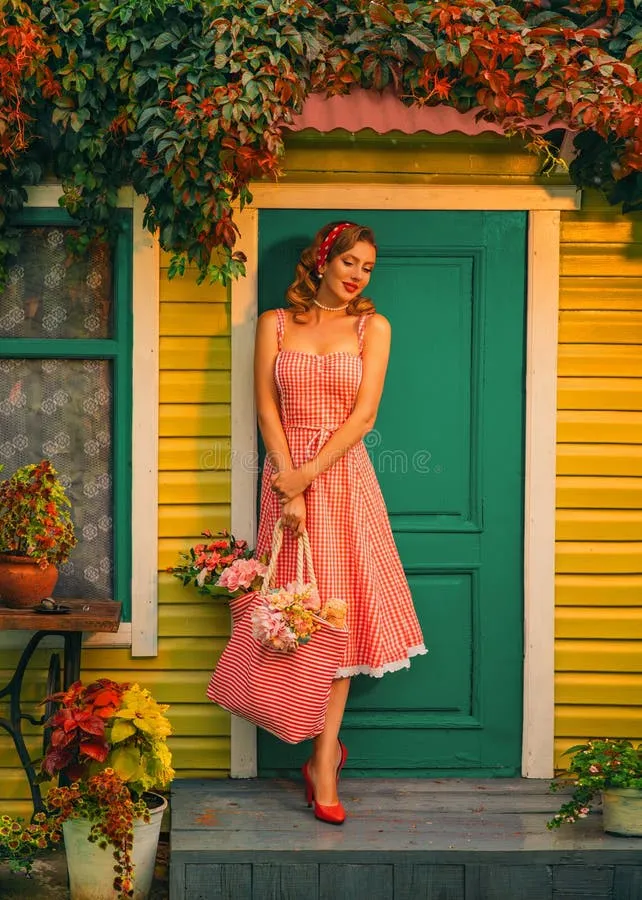
The techniques were practical, not precious. Victory rolls — that stacked, rolled silhouette named partly for wartime propaganda and partly for the fighter planes that shared the name — were engineered to hold through a long shift at the plant and still look sharp at the dance hall that night. Pin curls set the night before under a scarf. A gelatin-and-water mixture passed for setting lotion when the real stuff was rationed.
When a model walked into a professional studio shoot, she carried those techniques with her. The salon had already done the R&D.
Pomade Meets Photography
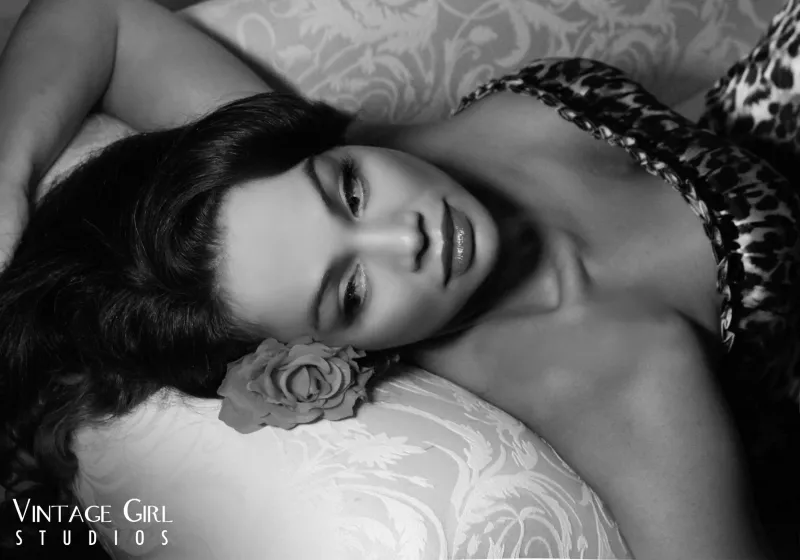
Here's where the two worlds collided. Studio photographers wanted hair that read as sculptural under hot lights — shape you could practically see from across the room. Salon stylists knew exactly how to build that architecture. The result was a hybrid: homegrown technique, dialed up with lacquer, backcombing, and the kind of precision teasing that could take an inch of fine hair and turn it into a crown.
Barbershops played their part too. The men on the page — the ones leaning against those chrome-encrusted Chevys — needed sharp tapers and pomade with real hold, the kind of slick finish that photographed like polished wood. The barber's comb-and-cream discipline was as essential to the era's imagery as any studio light.
We Asked the Stylists Keeping It Alive
Modern retro-hair specialists say the revival isn't nostalgia for nostalgia's sake. It's craft.
"Clients come in asking for 'that look' — they mean the roll, the wave, the finish," one vintage-set stylist in Austin told us. "What surprises them is how much engineering is involved. We're talking sectioning maps, setting patterns, twenty minutes under a hooded dryer. It's not a blowout. It's construction."
Another stylist who works pin-up conventions and studio shoots across the Midwest put it bluntly: "Anybody can curl hair. Not everybody can build a silhouette that survives a four-hour shoot under tungsten lights. That's what the old salon ladies figured out, and that's what we're still teaching."
Bookings tell the story. Salons specializing in vintage sets report waiting lists stretching weeks, driven by boudoir photographers, pin-up contests, and couples shooting retro engagement sessions. The bonnet dryer, of all things, is having a moment.
Why the Look Still Works
Part of the appeal is the honesty of it. Modern heat-styled hair can look interchangeable — the same beachy wave on a thousand feeds. A proper set, with its deliberate structure and mirror-shine finish, reads as authored. It has a point of view.
There's also the time investment, which has become part of the glamour itself. Sitting under a dryer with a magazine and a cup of coffee is practically a ritual now, a deliberate slow-down in a speed-run world. The hair says something because the process said something first.
And for the models in front of our cameras? The vintage set photographs like nothing else. Every roll catches light differently. Every wave has a shadow. It's dimensional in a way flat irons can't fake.
The Unsung Names
History rarely recorded the stylists behind the icons. They were paid by the appointment, not the cover credit. But their fingerprints are all over the golden age of glamour photography — in the precise S-waves, the lacquered quiffs, the rolls that never budged between takes.
So the next time you're scrolling a gallery and a set stops you cold — that impossible volume, that sculpted wave — spare a thought for the parlor on the corner where it all started. Dolores and her hot rollers built the centerfold look one head at a time.
The camera got the girl. But the salon got her ready.