After the Debut: Working Models Over 35 on the Gaze That Never Blinks
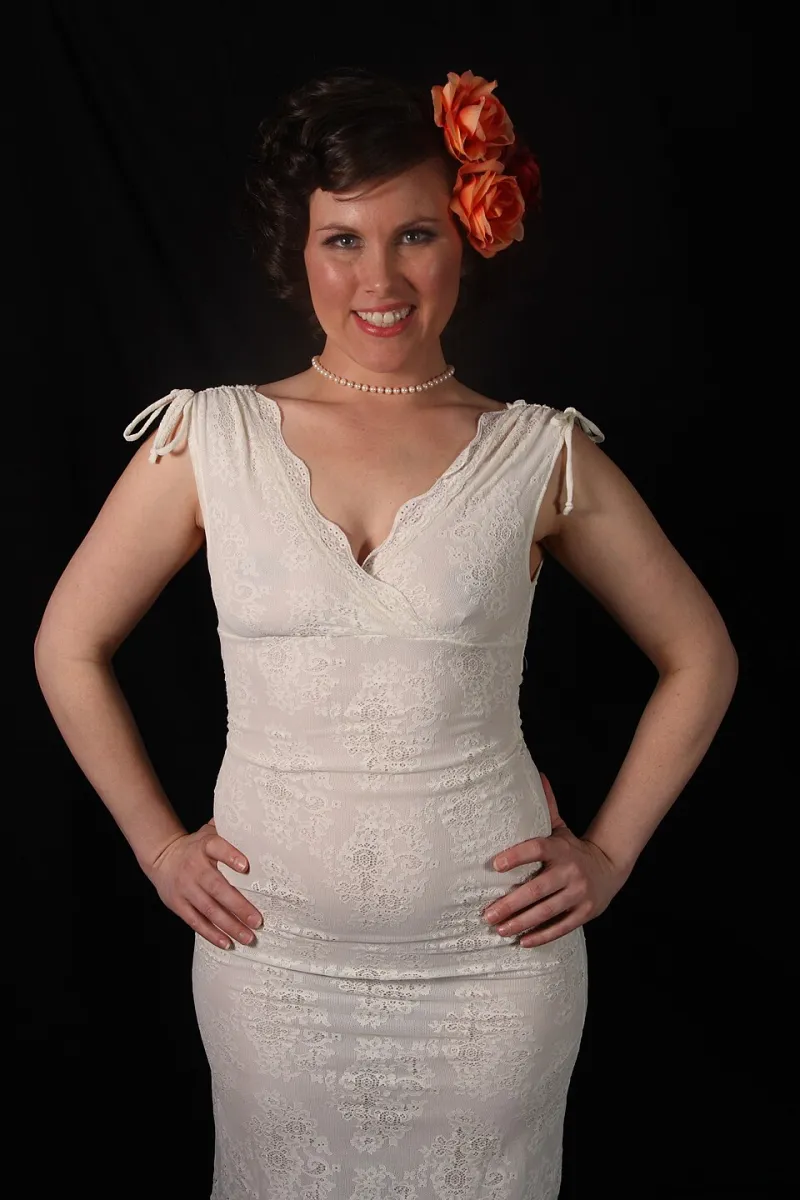
Photo: mature glamour model vanity mirror warm lighting retro, via i.pinimg.com
There is a moment in every centerfold story when the debut stops being the point. The industry likes to pretend otherwise. Casting calls still chase the new face, the first cover, the fresh discovery. But talk to working glamour models over 35 and a different timeline emerges—one where the most interesting chapters come after the first blush of novelty has worn off. For this piece, My Centerfolds spoke with seven models between 36 and 58, all currently working in pin-up, boudoir, and retro glamour. Some asked to use first names only. All agreed on one thing: the makeup mirror doesn't lie, but the industry often does.
The Freshness Clock Is a Business, Not a Law
Casting directors call it freshness. Models call it the clock. It ticks louder for women than for men, and everyone in the room knows it. 'I started getting the mother roles in pin-up shoots at 34,' says Lena, a 41-year-old model from Nashville. 'Not literally mothers. But the styling changed. Suddenly I was the wise one, the playful aunt, the woman with a backstory. At 34.'
The double standard is not exactly hidden. Male glamour photographers are often described as distinguished as they age. Female models are described as retouched. Male fans are called loyal. Female fans are called niche. None of this is new, but in 2026 it is being discussed more openly, partly because models have their own platforms and partly because the audience has grown tired of pretending that only one kind of face can sell a fantasy.
'Freshness is a business decision,' says Marisol, 47, who shoots retro and boudoir work in Southern California. 'It is not a moral law. Once you understand that, you stop auditioning for the clock. You start auditioning for the story.'
What Retouching Is For—and What It Isn't
Every model we spoke with had a retouching policy. Most draw a line between cleanup and erasure. Dust on a black dress is cleanup. A scar that has been part of someone's face for twenty years is not a blemish to be removed without a conversation.
'My rule is skin texture stays,' says Dana, 52, who works in the Midwest and has shot for independent retro magazines. 'I ask for stray hairs, lint, harsh shadows under the eyes. I do not ask for a new jaw. The problem is that some clients hear retouching and think they are buying a different person.'
The audience sends mixed signals. Fans say they want authenticity, then double-tap the most polished image in the set. Models notice. They also notice which photographers protect them in the edit. 'A good photographer will show you the raw frame before the retouch and ask what you see,' Dana says. 'A bad one will send back a stranger and call it a favor.'
The quiet shift in 2026 is not that retouching disappeared. It is that more models are naming it in advance. They put language in their rates, their releases, and their mood boards. The mirror doesn't lie, so why should the contract?
The Gaze Changes Hands
Pin-up has always been about the gaze. The classic centerfold looks out at the viewer, inviting him in on the joke. But models over 35 describe a different relationship with that gaze. They are less interested in being looked at than in deciding what is worth looking at.
'When I was 24, I posed for the camera,' says Renee, 38, a former pageant competitor turned glamour model in Florida. 'Now I pose with the camera. I know where the light is. I know when the angle is flattering and when it is lazy. That is not vanity. That is craft.'
That craft is the real longevity story. Older models are often better at holding a pose, reading a room, and pacing a shoot. They know when to give a soft smile and when to give the camera nothing at all. The result can be more interesting than the debut, which is often a collision of nerves and adrenaline.
The audience is catching up. Searches for mature glamour, retro pin-up, and vintage-style boudoir have become a steady niche, not a guilty secret. Fans who grew up on centerfolds are aging too. They want to see someone who looks like they have lived, not just someone who looks like they have been styled.
Nostalgia Is a Costume, Not a Cage
The industry sells nostalgia because it works. Victory rolls, seamed stockings, red lips, chrome kitchen appliances—the visual language of the 1940s and 1950s still moves product. But the models wearing it are not museum pieces. They are working women with mortgages, opinions, and a sense of humor about the whole thing.
'I can do Bettie and I can do me,' says Jo, 58, who has been shooting pin-up since the 1990s. 'The trick is not letting the costume swallow the person. The best pin-up has always been a personality first and a pose second.'
That personality is what lasts. A debut can be manufactured with good light and a new face. A career is built on something harder to retouch: presence.
The Stories After the Debut
The centerfold is a format, not a finish line. The models who stay in the game learn to treat it as a chapter. They negotiate their rates. They set boundaries. They ask for the raw files. They age into better stories.
The mirror doesn't lie. Neither does a good audience. The most interesting pin-up work happening in 2026 is not always the youngest. It is often the most deliberate—the model who knows exactly what she is selling, exactly what she is keeping, and exactly who gets to look.