Attic Gold: Why Estate Hunters Are Racing for Grandpa's Old Magazine Boxes

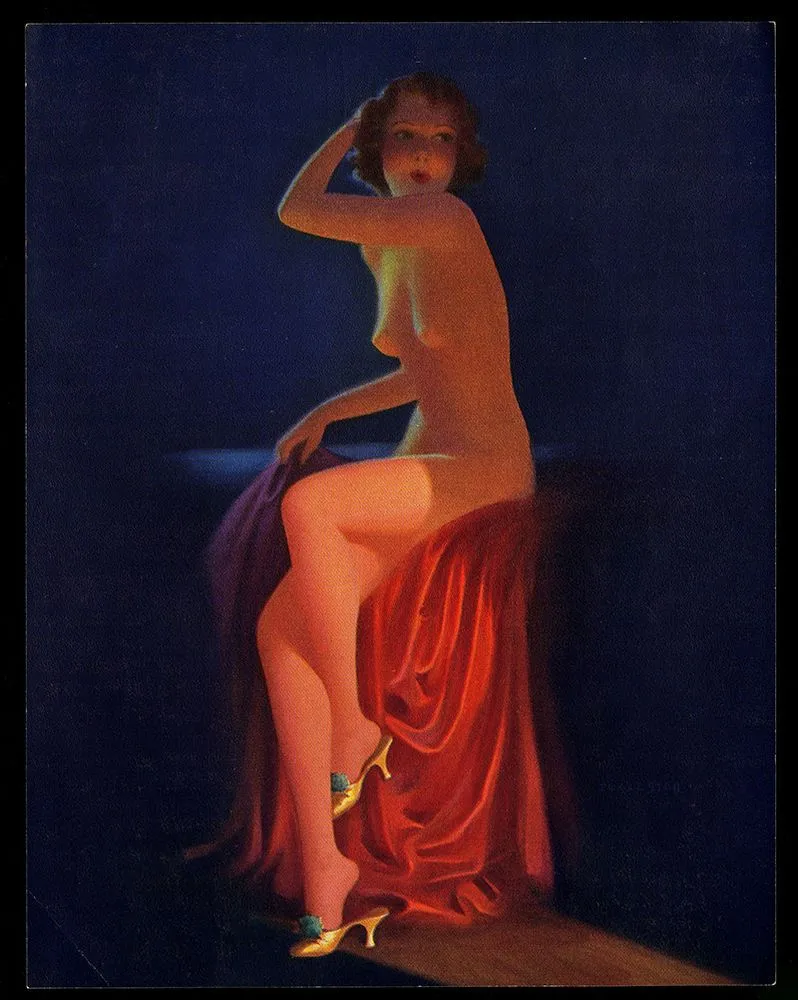
Photo: Ray Jones via Universal Pictures, Public domain, via Wikimedia Commons
Every estate sale in America has a drawer like it. Bottom of the cedar chest, back of the garage attic, taped shut behind the Christmas ornaments. And lately, more people than ever are opening those drawers with their phones out, ready to look something up.
Vintage men's magazines — the Playboys, Esquires, and dozens of long-forgotten titles in between — have become one of the sleeper categories of the estate sale circuit. Most boxes are worth exactly what you'd guess: a few bucks a copy to a nostalgic browser. But scattered inside those boxes, now and then, sits a genuine sleeper. A first issue. A Marilyn. A mint condition Vargas-drawn cover from 1943 that makes a dealer put down his coffee.
The Great American Attic Cleanup
The math is simple and a little melancholy. The generation that bought these magazines off the newsstand in 1955 is now the generation whose kids are clearing out the family home. Baby boomers inherited the stash, and millennials and Gen X are inheriting it from them — except now everyone carries a price-checking supercomputer in their pocket.
Estate sale companies we talked to say the magazines usually come out in the final sort, after the furniture and the tools have been priced. That's a mistake, and the pros know it. A single box can contain anything from dime-a-dozen reprints to a first-year issue that changes the family's afternoon considerably.
What Actually Makes a Copy Valuable
Forget the assumption that "old equals expensive." Age is the least interesting part of the equation. Here's what moves the needle:
The firsts. First issues, first appearances, first centerfolds. A certain December 1953 debut needs no introduction, and copies in honest condition still command serious money. But don't sleep on the deep cuts — premiere issues of short-lived titles often outvalue the famous magazines because so few survived.
The artists. Before photography took over the genre, illustrated pin-up art ruled the newsstand. Work by Alberto Vargas, George Petty, and Gil Elvgren inside a magazine can be worth more than the magazine itself, especially if the pages were ever framed or cut. (More on why that's a problem in a second.)
The condition, always. Collectors grade ruthlessly. A crisp, flat, complete copy with the original mailing cover intact can be worth ten times a reading copy with a cracked spine and a torn centerfold. Sun fading, water staining, and that unmistakable attic must — all of it shows up on the invoice.
The centerfold, present and accounted for. This is the big one. Back in the day, plenty of subscribers did exactly what the magazine's layout practically invited them to do: pulled the centerfold out and pinned it up. A missing or cut centerfold can drop a valuable issue from four figures to pocket change. Buyers will ask. Have an answer.
The Counterfeit Game
Where there's money, there's forgery, and the vintage magazine market has its share. The most common scam is the "reprint passed as original" — later reprint editions of famous issues, or modern facsimile copies, listed as period printings. A few telltales:
- Reprints often have slightly brighter, flatter ink and cheaper paper stock than the original.
- Check the dates and indicia carefully; facsimiles frequently get small details wrong.
- Be suspicious of a famous first issue in suspiciously perfect condition offered at a suspiciously low price. If it were real, the seller would know.
When the stakes are real, an experienced paper collectibles dealer will spot a fake in about ten seconds flat. It's money well spent before you list anything online.
A Heir's Quick Playbook
If you've just inherited a box — or you're standing in your late uncle's garage eyeing a stack of them — here's the sensible sequence:
- Don't clean anything. No wiping, no flattening, no taping. Original condition includes the original foxing.
- Check the centerfolds. Gently. Every one.
- Photograph the covers and the indicia pages — that's the publishing info near the front or back with dates and volume numbers.
- Separate the famous from the filler. One or two search queries will tell you fast whether you're holding a browser or a treasure.
- Store flat, dark, and dry in acid-free sleeves until you know what you've got. The attic that preserved them for sixty years can finish the job for a few more weeks.
- Talk to a specialist before a general estate buyer does. The first offer on a box is almost never the last word on its value.
More Than Money in the Box
Here's the thing the auction listings never quite capture: opening those magazines is opening a time capsule. The ads for hi-fi sets and Detroit's finest chrome. The jokes that land differently seventy years on. The hand-drawn glamour that no filter has ever really improved on. Heirs regularly report the same experience — they went in looking for a payday and came out with a strange, affectionate window into who grandpa was at twenty-five.
Some families sell. Some keep one frame-worthy issue and donate the rest. Plenty end up back in circulation at conventions and shops, where they find the collectors who'll love them properly.
Either way, that box in the attic deserves a look before the yard sale sign goes up. Worst case, you spend an afternoon with some gorgeous old paper. Best case — well, best case, December of 1953 is in there, and it's in beautiful shape.