Victory Rolls to Frosted Lips: A Decade-by-Decade Beauty Map of the All-American Centerfold
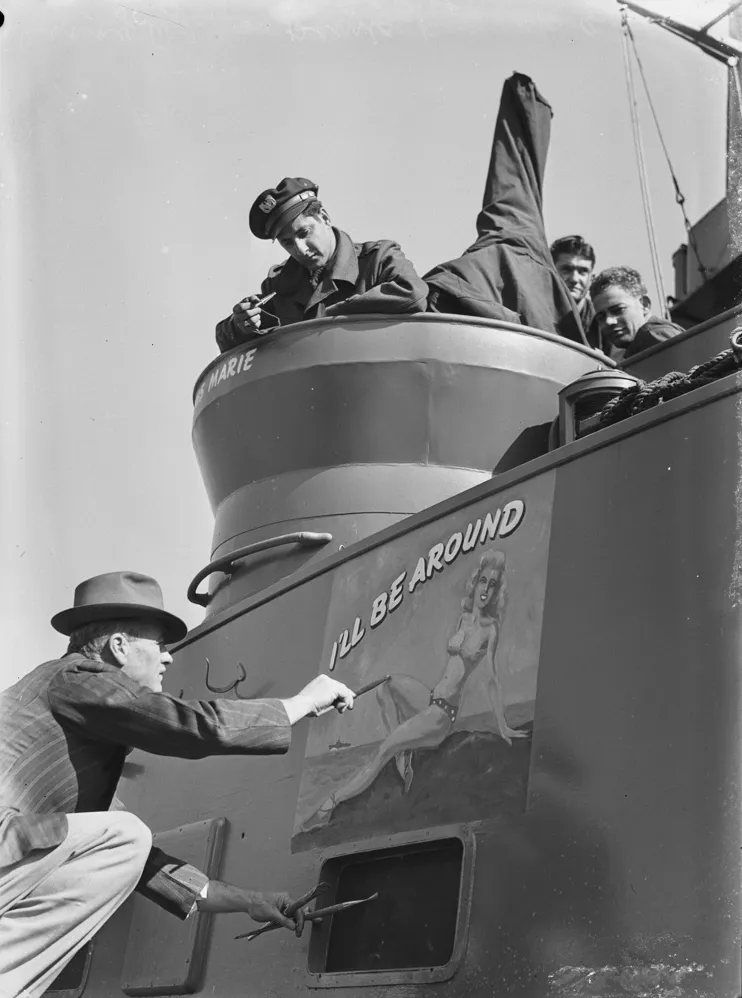
Photo: Alec Iverson, Public domain, via Wikimedia Commons
Stand in front of any newsstand from 1945 and one from 1995 and you'd swear the women on the covers came from different planets. But strip away the decades and you'll find a throughline — a set of beauty codes that every great centerfold, from the pin-up girls pinned inside B-17 cockpits to the big-haired bombshells of the cable era, understood instinctively.
This is the decoder ring. Ten decades, five signature looks, and a step-by-step on how the modern muse recreates them without a vintage makeup kit.
The 1940s: The Victory Roll and the Red That Meant Something
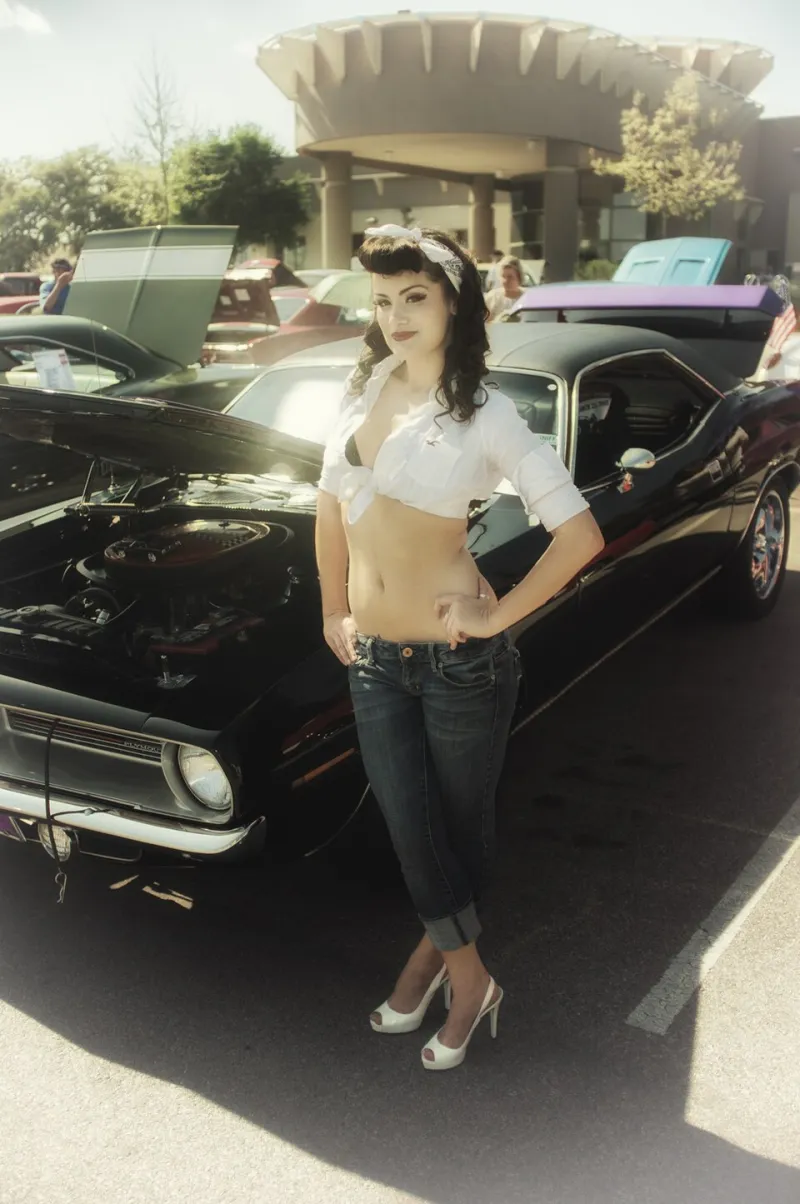
Nothing says " America, 1943" like a victory roll — those sculpted, lifted curls that kept hair off factory floors and looked immaculate under a USO spotlight. The name supposedly comes from the fighter planes' propaganda broadcasts, but the real story is simpler: women needed hair that worked as hard as they did and still photographed like a dream.
The lips were a matte, blue-based red — think Victory Red, the shade Revlon literally marketed to the war effort. Brows were strong and full, skin was matte, and the whole package broadcast confidence without a hint of apology.
Modern recreation: A volumizing mousse, a 1-inch iron, and a rattail comb will get you authentic rolls. Swap the heavy pancake foundation for a satin-finish base, but keep the red matte — a modern liquid lip in a blue-red like a classic Ruby Woo reads period-perfect.
The 1950s: The Cat Eye Gets Its Claws
If the 40s were about strength, the 50s were about precision. This is the decade that invented the winged eyeliner we still can't quit — a sharp, lifted flick that Bettie Page turned into a weapon and Sophia Loren turned into architecture.
The rest of the face stayed soft: peachy lips, subtle blush, lashes doing the heavy lifting. The trick was contrast — innocent mouth, dangerous eyes.
Modern recreation: Use a felt-tip liner in short dashes along the lash line, then connect them and flick outward toward the end of the brow. Pro tip from working glamour models: draw the wing first, then match both eyes to it. A nude lip with a hint of peach keeps the balance right.
The 1960s: Lashes Like Searchlights
The 60s centerfold looked up at the camera through a thicket of lashes. Twiggy's spider-lash mod look collided with the Bardot smoky eye, and somewhere in between, the American glamour girl found her signature: heavy lashes top and bottom, a pale, almost bare lid, and a lip that went soft — ballet pink, coral, sometimes barely there at all.
Hair got bigger at the crown and bouffant-precise. This was the decade of the tease, backcombed to high heaven and set with enough hairspray to survive a hurricane.
Modern recreation: White or nude eyeliner on the waterline, clump-friendly mascara applied in layers with a clean spoolie between coats, and a pale pink lip. The key is restraint everywhere except the eyes.
The 1970s: Sun-Kissed and Barely Bothered
The 70s loosened every rule. Farrah Fawcett's feathered mane replaced the lacquered set, bronzer replaced the matte foundation, and the lip went glossy and nude. The centerfold of this era looked like she'd just come in from the pool — and that effortlessness was the point. It photographed warm, golden, and approachable.
Modern recreation: Cream bronzer across the forehead, cheekbones, and nose bridge, a clear or peach gloss, and loose waves done with a large-barrel iron brushed out. Skip the heavy contour — this decade was about glow, not geometry.
The 1980s and 90s: Big Hair, Bigger Lips, and the Frosted Finish
Then everything got louder. The 80s centerfold wore blush from cheekbone to temple, lips in hot coral, and hair that entered the room first. By the 90s, the look refined itself into something our readers remember fondly: the frosted lip, the thin arched brow, the supermodel bronze, and hair that was voluminous but touchable — think Pamela Anderson era glamour, shot on film that flattered every curve.
Modern recreation: A champagne-frost lipstick or a nude gloss layered over a shimmer liner reads instantly 90s. Modern brow products make it easy to skip the over-plucked look — keep the 90s lip but pair it with a full, natural brow for a version that photographs beautifully today.
Why the Codes Still Work
Here's the thing every working glamour model knows: these looks weren't random fashion. They were engineered for the camera of their era — matte for harsh flash, wings for black-and-white film, frost for soft-focus lenses. When a modern shooter puts a model in a cat eye and victory rolls under warm tungsten light, the camera responds the same way it did seventy years ago.
The products change. The codes don't. That's why a reader can flip through a gallery shot last week and a spread from 1955 and feel the same pull. Glamour, it turns out, is a language — and every decade just added a new accent.