Grease, Gasoline, and Glamour: The Unsung Places That Saved the Pin-Up
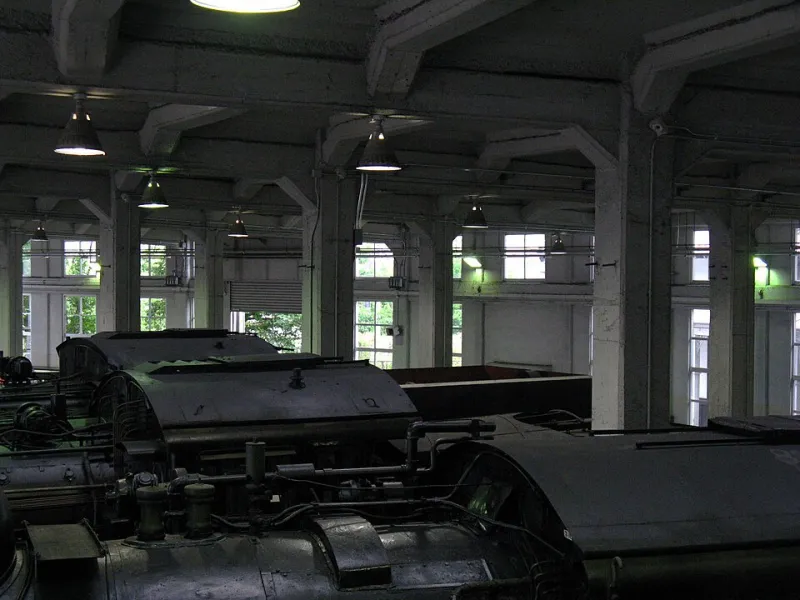
Photo: Molly Des Jardin, CC BY 3.0, via Wikimedia Commons
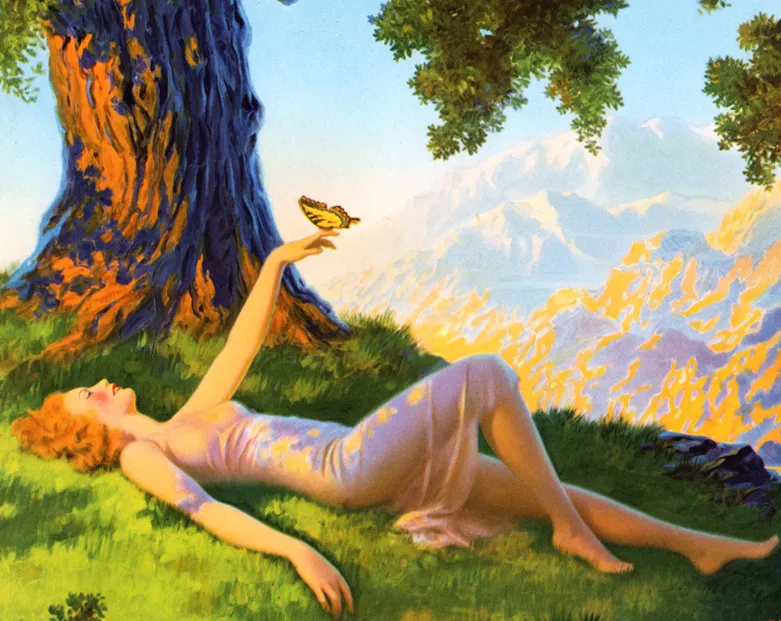
Let's get one thing straight: the pin-up never needed saving by the mainstream, because the mainstream abandoned her first. When the big men's magazines pivoted, when newsstand culture shifted and glossy glamour gave way to something more explicit, the pin-up didn't vanish. She got a job at a body shop.
That's not a joke. It's the actual, under-told history of how glamour imagery survived the decades when nobody in Manhattan wanted to publish it. And in my opinion, the working-class corners of America — not the publishing houses — are the reason we're living through a pin-up revival at all.
The Calendar Was the Last Magazine Standing
Walk into any independent auto shop in America between 1975 and 2005 and you'd see it hanging by the parts counter: the garage calendar. Twelve months, twelve glamour photographs, a local tire distributor's logo in the corner. These things were printed by the millions and given away by the thousands, and they did something the dying magazines couldn't — they kept glamour photography in continuous commercial production.
The garage calendar was the pin-up's life support system. Photographers who cut their teeth on magazine work found steady gigs shooting calendar girls for parts suppliers, paint companies, and regional repair chains. Models kept working. The aesthetic — the wink, the pose, the over-the-shoulder glance — stayed in the public eye without a single newsstand involved. Mainstream media wrote the pin-up's obituary while millions of Americans looked at her every single day while getting their oil changed.
Hot Rods and Nose Art: The Museum Nobody Planned
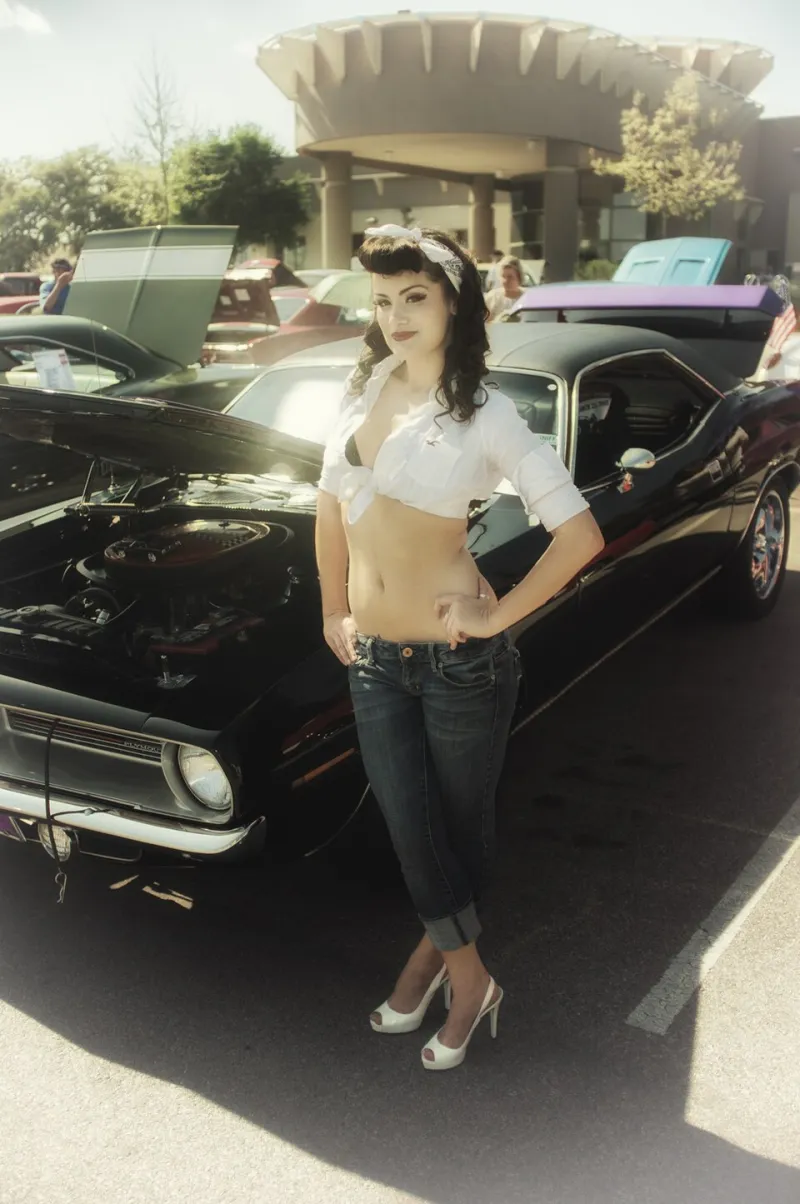
The car show circuit did even heavier lifting. Hot rod culture had always been intertwined with pin-up imagery — the pinstriped fenders, the model on the hood at the grand opening — and when magazines faded, the shows kept the visual language alive. Builders commissioned custom paint work. Show promoters hired glamour models for booth appearances. Entire generations of Americans who never bought a men's magazine saw pin-up aesthetics at the county fairgrounds.
And then there's nose art. The WWII tradition of painting glamour girls on bomber fuselages found a second life in restoration hangars across the country. Veterans' groups and aviation museums funded restorations of vintage aircraft, and with them, restorations of the painted pin-ups on their noses. Artists who specialized in this work became keepers of the flame, hand-painting classic glamour imagery at a time when almost nobody else was producing it. Some of today's most respected retro-style illustrators trace their lineage directly to hangar floors in Texas and Ohio.
The Tattoo Parlor Crossover
Here's the part that really sealed the deal. Tattoo culture adopted the pin-up wholesale. Sailor Jerry flash art put glamour girls on forearms across the country, and by the 1990s, tattoo conventions had become unlikely pin-up galleries — artists displaying classic imagery, models posing in vintage style for portfolio pieces. The pin-up became tattoo canon, which meant she became permanent, literally and culturally.
This crossover mattered enormously. Tattoo culture was young, growing, and hungry for iconic American imagery. The pin-up was exactly that. In return, the pin-up gained an audience of young people who'd never seen a men's pulp magazine and didn't care to — they just knew great artwork when they saw it.
Why the Revival Owes the Garage
Every modern pin-up revival trend — the rockabilly scene, the retro burlesque movement, the vintage-style glamour photographers booking studio sessions today — exists because those unglamorous spaces kept the tradition breathing. The garage calendars, the car shows, the hangar restorations, the tattoo conventions: these were uncoordinated, unprofitable, and completely essential.
There's a lesson in there about American culture that the tastemakers hate to admit. The stuff that survives usually doesn't survive in museums or Manhattan offices. It survives in workshops and hangars and county fairgrounds, kept alive by people who simply liked it and saw no reason to stop. The pin-up didn't need a publisher. She needed a mechanic with a calendar wall and a painter with a steady hand.
So the next time you see a modern glamour shoot with vintage styling, or a rockabilly model posing beside a chopped '56 Ford, remember where the thread runs. It doesn't run through the publishing industry. It runs through the garage — past the parts counter, right next to the calendar.