Darkroom Kings: The Men Who Shot the Icons but Never Made the Frame
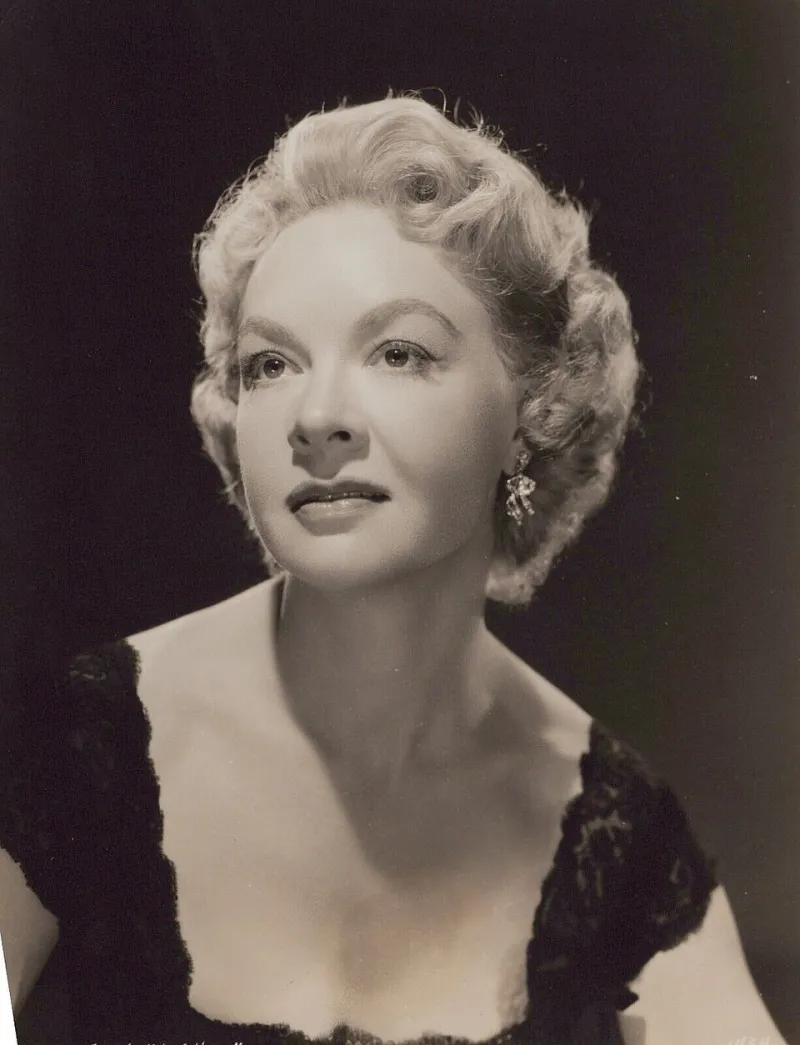
Photo: N/A studio, Public domain, via Wikimedia Commons
Ask anyone to name a pin-up and you'll get Bettie Page. Ask them to name the man who photographed her — the guy who actually created those images burned into America's collective memory — and you'll probably get a shrug.
That's the strange math of glamour photography. The model becomes the icon; the photographer becomes a footnote. And in mid-century America, there were hundreds of these footnotes: studio freelancers in Manhattan, catalogs shooters in Chicago, and suburban dads converting the garage into a darkroom so they could chase a little glamour on weekends.
The Studio Grinders of the Golden Age
The big-name shooters of the 1940s and '50s ran their operations like small factories. Think less artist's loft, more assembly line with better lighting. A typical New York studio might crank out a dozen model tests a day, each session squeezed into an hour, each frame shot on 4x5 sheet film loaded by an assistant whose entire job was dusting negatives and mixing developer.
These men — and they were almost all men, a fact of the era worth noting rather than celebrating — came up through odd routes. Some started as commercial photographers shooting toasters for Sears catalogs. Others drifted over from newspaper crime beats, where they'd learned to work fast, cheap, and under pressure. When they pivoted to glamour, they brought that newspaper efficiency with them: minimal setups, natural light when possible, and a knack for putting a nervous twenty-year-old at ease in under ten minutes.
The work was steady but anonymous. Their names appeared nowhere on the newsstand. Their payment came from the magazine or the model's agency, and their negatives — the actual originals — often belonged to someone else entirely.
The Garage Darkroom Crowd
Then there was the second tier, and honestly, the more romantic one: the amateurs. Every mid-sized American town in the 1950s seemed to have at least one guy with a Graflex camera and dreams bigger than his day job at the hardware store.
These shutterbugs ran ads in the back of photography magazines — "Glamour photos, professional results, reasonable rates" — and shot local beauty queens, waitresses, and ambitious secretaries who wanted a portfolio. They developed film in converted bathrooms, taped black garbage bags over windows decades before that was a cliché, and traded tips through camera club newsletters from Toledo to Tulsa.
Most of them never went anywhere. But some did. A handful of regional amateurs sent unsolicited prints to Chicago and New York publishers, and every so often, one stuck. Several well-known centerfold photographers of the '60s started exactly this way — shooting neighbors in a basement, learning composition through trial and error, then finally taking a Greyhound east with a portfolio under their arm.
How They Actually Worked
Forget the mythology of the effortless glamour shot. These sessions were work.
Lighting was mostly hot lights — tungsten floods you could feel from across the room — until strobe gear became affordable in the mid-'50s. Poses were borrowed from movie publicity stills and the Vargas paintings everyone kept pinned to the studio wall. Retouching was done by hand, literally: dyes and pencils applied directly to the print to smooth skin, trim a waistline, or fix a flyaway hair.
And the photographers were, by nearly every account, part technician and part therapist. A model who'd never been photographed before needed someone who could talk, joke, and keep the mood light while fumbling with flashbulbs. The men who mastered that skill got repeat work. The ones who didn't got reputations that ended careers fast — the good studios, whatever their other faults, protected their talent.
Where They Went
So what happened to these guys? Most simply aged out. Color film, television, and the seismic shifts of the late 1960s changed the business overnight. The studio freelancers retired to Florida or died broke, their negatives sold off in lots at estate auctions. Some collections have surfaced in recent decades at vintage photography fairs in places like Brimfield, Massachusetts, where collectors pay serious money for original glamour negatives by photographers whose names nobody can verify.
A few made it into the record. The men who shot Bettie Page are now semi-famous among collectors. Others got credit decades later when museums began mounting pin-up retrospectives and archivists dug through crates of unmarked negatives, matching signatures and studio stamps to long-dead shooters.
The garage amateurs mostly vanished into family albums — their glamour work hidden in shoeboxes that grandchildren are only now discovering, sometimes with a jolt, at estate sales across the Midwest.
Why It Matters Now
There's a lesson in all this anonymity. Today, photographers build brands, Instagram followings, and name recognition that rivals their subjects. The mid-century image-makers had no such luck — the industry was built to keep them invisible.
But look closely at the classic images that still define the genre, and you can see individual hands at work: this photographer's fondness for hard side light, that one's habit of shooting his subjects mid-laugh instead of mid-pose. The genre wasn't created by models alone. It was built, frame by frame, by a small army of forgotten men who knew exactly where to put the light — even if nobody ever learned their names.
Next time you're scrolling a vintage gallery and an image stops you cold, spare a thought for the guy behind the camera. He probably never got a byline. But he got the shot.